Table Of Content

If you are noticing a small patch where soft little hair strands seem to be coming away from the same area it might be because of friction to the back of their head. Your hormones travel through your bloodstream, so the elevated levels of pregnancy hormones in you also cross the placenta and reach your little one. The doctor will either confirm that the problem is simply a result of hormones, or they’ll be able to let you know if it’s more serious.
Harvard Health Publishing
If you decide to give your little one a new ‘do, start the haircut while your baby is well-rested. You should also feed them right before the trimming begins. Your baby is much less likely to be squirmy and cranky when they’re rested and have a full tummy. With that said, it’s worth taking into consideration how temperamental babies can be. You might want to put your baby’s first haircut off until it’s totally necessary.
Wet Their Hair And Scalp
But it can take a few months for all of the hair to regrow. Your child’s pediatrician can suggest a healthy eating plan or prescribe a supplement to make up for the nutritional shortfall. Tinea capitis is treated with an antifungal drug taken by mouth for about eight weeks.
Top doctors in ,
Here’s how to keep those newborn strands silky and smooth. On an adult's head, each strand of hair goes through a phase when it's growing and when it's not — and when hair isn't growing, it can also shed. At any given time, only a small percentage of your hair is in this latter stage, and only about 50 to 100 strands are lost per day. But whether an infant is born with a layer of fuzz or a thick mop, all lose at least some hair.
Hair straightener risks: Women tell their stories of how they lost the ability to have children - NBC News
Hair straightener risks: Women tell their stories of how they lost the ability to have children.
Posted: Thu, 19 Oct 2023 07:00:00 GMT [source]
Sadly, even 4-D scans do not predict hair texture, color, or any other changes in your little bundle’s hair – only time will tell. If you have viewed your baby’s hair on your ultrasound scan, you may be curious about how much hair they will have when they are born. The content provided on Baby-Chick.com is for informational purposes only and is not intended to be a substitute for professional medical advice, diagnosis, or treatment. Always seek the advice of your physician or other qualified health provider with any questions you may have regarding a medical condition. By accessing and using this site, you acknowledge and agree to be bound by our Terms of Use. Curious to know how else your body might change during your newborn's first few months?
5 Hair Care Tips for Black or Biracial Babies - The Everymom
5 Hair Care Tips for Black or Biracial Babies.
Posted: Thu, 29 Feb 2024 08:00:00 GMT [source]
When do babies grow hair?
Fortunately, newborn hair loss is very common and normal—so read on to put any worries to rest and to find out when your baby's hair will return. In kids with telogen effluvium, many more hair follicles go into the telogen phase than normal. So instead of losing 100 hairs a day like usual, kids lose 300 hairs a day.
What Is Baby Hair Loss And Why Does It Happen?
The fluctuating hormones that are likely the trigger for hair loss are a natural part of the growth process. The reason most adults immediately jump to the worst conclusion is because sudden hair loss (telogen effluvium) later on in life is usually a symptom of a larger problem. If your baby has been bald since shedding their hair earlier, hair may now begin to grow back anywhere between 3 and 7 months of age. Between 6 and 12 months old, your baby’s hair should begin forming a noticeable strength and structure as the production of the protein keratin kicks in and follicles continue to mature.
Hair follicles start to form deep in your baby's skin by 14 weeks of pregnancy. Around 20 weeks, fine downy hair starts to sprout from these follicles on the eyebrows, upper lip, and chin. By 22 weeks, hair is also visible on the back, shoulders, ears, and forehead. Called lanugo, this fine hair helps to hold the vernix (a greasy substance that protects your baby's skin against constant exposure to amniotic fluid) – in place.
Month-Old Baby: Feeding, Sleep, and Milestones by Month
In other babies, the process happens quickly, and your newborn may go completely bald in a matter of days. Most babies will develop what will be their mature head of hair between 6 and 12 months old. Pediatricians also advise plenty of tummy time throughout the day to reduce friction on the back of the head. On the surface, your baby’s hair will go through many shades before settling into its permanent color. It may go from dark brown to blond or red to light/medium blond. During this period, bouts of hair loss are perfectly normal as some toddlers have a habit of pulling on their hair.
Six months is about when babies start sitting upright and putting less pressure on the back of their heads throughout the day. It makes sense why experts believe that pressure causes hair loss since hair loss resolves around the same time that pressure and friction on the back of the head naturally decrease. Mostly, baby hair loss is a normal part of neonatal development. It is self-limiting and nothing for a parent to be concerned about. There are, however, a few types of infant balding that are not as common or normal. You should seek medical care and consult your doctor or pediatrician for any specific health or nutrition issues.
This protects the skin and helps the body regulate temperature. If there's ever a concern about your baby's health, including hair growth, you should discuss it with their healthcare provider. Some childhood conditions may contribute to hair loss as your baby grows older. Babies are born with all of their hair follicles at birth.
It is also normal to lose more hair on the back of the head and to keep this bald spot longer. You might notice loose strands of hair after stroking your baby's head, shampooing their hair, or on their crib sheets. Especially for first-time parents, this type of infant hair loss can be disconcerting.
Latanya Benjamin, MD, FAAD, FAAP, is a dual-board-certified pediatric dermatologist and dermatologic surgeon, as well as a consultant for the skin-care brand Mustela. From the What to Expect editorial team and Heidi Murkoff, author of What to Expect When You're Expecting. What to Expect follows strict reporting guidelines and uses only credible sources, such as peer-reviewed studies, academic research institutions and highly respected health organizations. Learn how we keep our content accurate and up-to-date by reading our medical review and editorial policy.
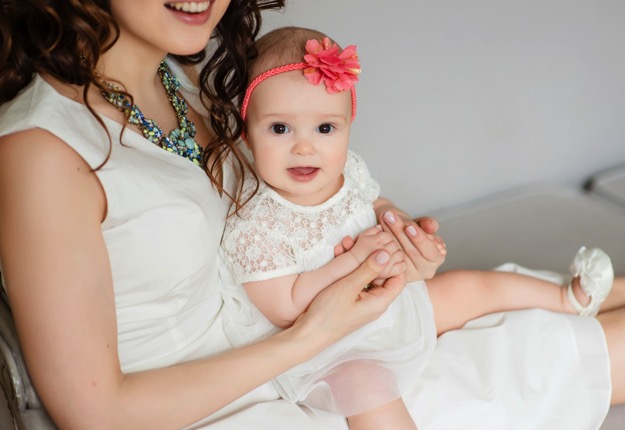
Most babies will get their hair in by their 1st birthday. If yours seems to not get there by the time you’re getting the cake ready, don’t worry. The same happens to new mothers when their lush locks slowly disappear after birth.
Here’s how baby hair typically behaves from the newborn stage through to the toddler years. Like baby acne, baby hair loss looks more concerning than it actually is. While it might bother you, trust that it does not irritate your baby and is best left alone. If you suspect a medical problem or have any concerns about hair loss, it's important to call your child's pediatrician. But this changes rapidly, which prompts many questions amongst parents as to when babies grow and lose their hair. Get help managing hair loss from your child’s pediatrician, as well from as a hairstylist trained to work with kids who’ve lost their hair.


No comments:
Post a Comment